
Blast Chiller & Blast Freezer
- 26% Off RRP
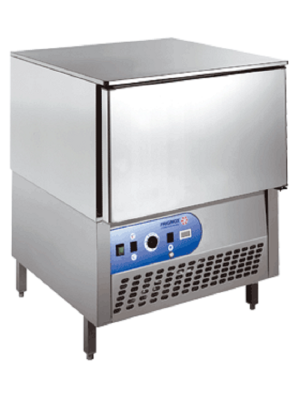
![]() Friginox MX15-5AEM 3 Tray Blast Chiller FreezerRRP $11,026.00 ex GST Our Price $8,134.00 ex GST Our Price $8,947.40 Inc GST
Friginox MX15-5AEM 3 Tray Blast Chiller FreezerRRP $11,026.00 ex GST Our Price $8,134.00 ex GST Our Price $8,947.40 Inc GST Daily Rental: $14.75 Inc GST
 - 26% Off RRP
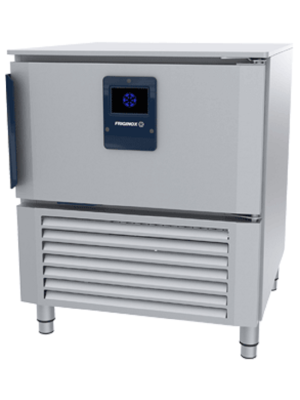
![]() Friginox MX20ATS 4 Tray Blast Chiller FreezerRRP $16,921.00 ex GST Our Price $12,483.00 ex GST Our Price $13,731.30 Inc GSTDaily Rental: $22.63 Inc GST
Friginox MX20ATS 4 Tray Blast Chiller FreezerRRP $16,921.00 ex GST Our Price $12,483.00 ex GST Our Price $13,731.30 Inc GSTDaily Rental: $22.63 Inc GST - 26% Off RRP
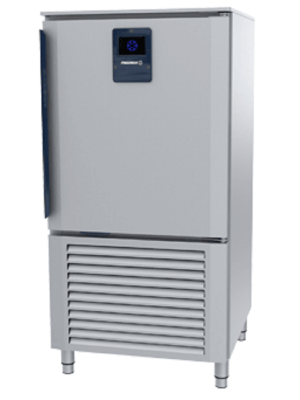
![]() Friginox MX30ATS 9 Tray Blast Chiller FreezerRRP $20,820.00 ex GST Our Price $15,360.00 ex GST Our Price $16,896.00 Inc GSTDaily Rental: $27.85 Inc GST
Friginox MX30ATS 9 Tray Blast Chiller FreezerRRP $20,820.00 ex GST Our Price $15,360.00 ex GST Our Price $16,896.00 Inc GSTDaily Rental: $27.85 Inc GST - 23% Off RRP
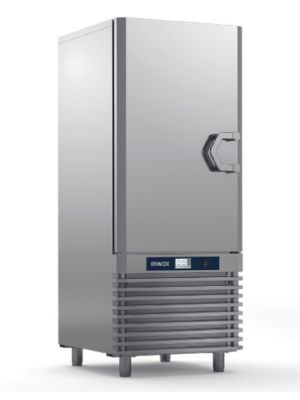
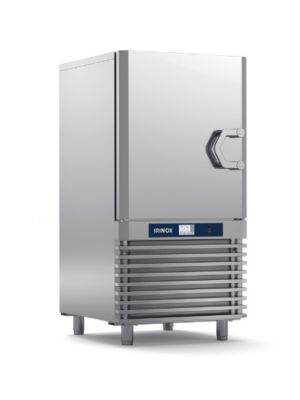
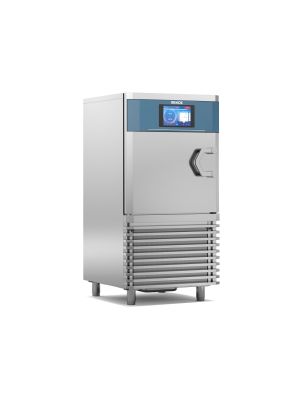
![]() Skope Irinox EFNL.ES Upright Blast Chiller & Shock FreezerRRP $33,515.00 ex GST Our Price $25,823.00 ex GST Our Price $28,405.30 Inc GSTDaily Rental: $46.82 Inc GST
Skope Irinox EFNL.ES Upright Blast Chiller & Shock FreezerRRP $33,515.00 ex GST Our Price $25,823.00 ex GST Our Price $28,405.30 Inc GSTDaily Rental: $46.82 Inc GST - 23% Off RRP
![]() Skope Irinox EFNM.ES Upright Blast Chiller & Shock FreezerRRP $29,945.00 ex GST Our Price $23,073.00 ex GST Our Price $25,380.30 Inc GSTDaily Rental: $41.84 Inc GST
Skope Irinox EFNM.ES Upright Blast Chiller & Shock FreezerRRP $29,945.00 ex GST Our Price $23,073.00 ex GST Our Price $25,380.30 Inc GSTDaily Rental: $41.84 Inc GST - 23% Off RRP
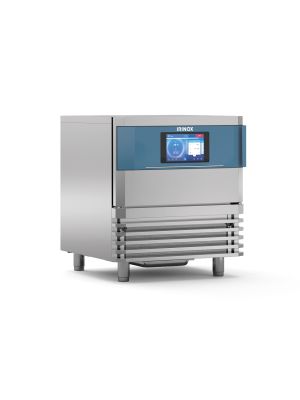
![]() Skope Irinox EFNS.ES Underbench Blast Chiller & Shock FreezerRRP $18,535.00 ex GST Our Price $14,281.00 ex GST Our Price $15,709.10 Inc GSTDaily Rental: $25.89 Inc GST
Skope Irinox EFNS.ES Underbench Blast Chiller & Shock FreezerRRP $18,535.00 ex GST Our Price $14,281.00 ex GST Our Price $15,709.10 Inc GSTDaily Rental: $25.89 Inc GST - 23% Off RRP
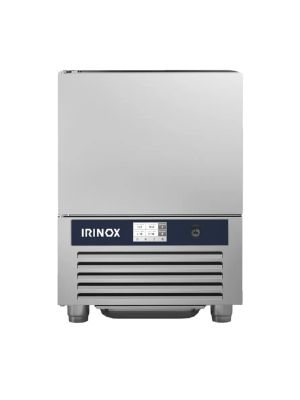
![]() Skope Irinox EFNXS.ES Underbench Blast Chiller & Shock FreezerRRP $12,400.00 ex GST Our Price $9,554.00 ex GST Our Price $10,509.40 Inc GSTDaily Rental: $17.32 Inc GST
Skope Irinox EFNXS.ES Underbench Blast Chiller & Shock FreezerRRP $12,400.00 ex GST Our Price $9,554.00 ex GST Our Price $10,509.40 Inc GSTDaily Rental: $17.32 Inc GST - 23% Off RRP
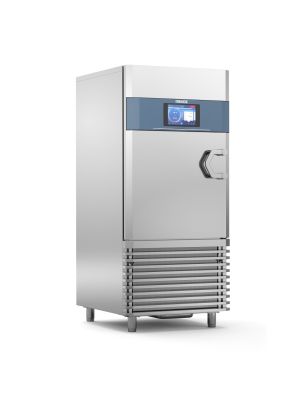
![]() Skope Irinox MFNLES.TURBO Upright Blast Chiller & Shock FreezerRRP $47,800.00 ex GST Our Price $36,830.00 ex GST Our Price $40,513.00 Inc GSTDaily Rental: $66.78 Inc GST
Skope Irinox MFNLES.TURBO Upright Blast Chiller & Shock FreezerRRP $47,800.00 ex GST Our Price $36,830.00 ex GST Our Price $40,513.00 Inc GSTDaily Rental: $66.78 Inc GST - 23% Off RRP
![]() Skope Irinox MFNM.ES.TURBO Upright Blast Chiller & Shock FreezerRRP $39,200.00 ex GST Our Price $30,204.00 ex GST Our Price $33,224.40 Inc GSTDaily Rental: $54.77 Inc GST
Skope Irinox MFNM.ES.TURBO Upright Blast Chiller & Shock FreezerRRP $39,200.00 ex GST Our Price $30,204.00 ex GST Our Price $33,224.40 Inc GSTDaily Rental: $54.77 Inc GST - 23% Off RRP
![]() Skope Irinox MFNS.ES Underbench Blast Chiller & Shock FreezerRRP $19,750.00 ex GST Our Price $15,217.00 ex GST Our Price $16,738.70 Inc GSTDaily Rental: $27.59 Inc GST
Skope Irinox MFNS.ES Underbench Blast Chiller & Shock FreezerRRP $19,750.00 ex GST Our Price $15,217.00 ex GST Our Price $16,738.70 Inc GSTDaily Rental: $27.59 Inc GST - 21% Off RRP
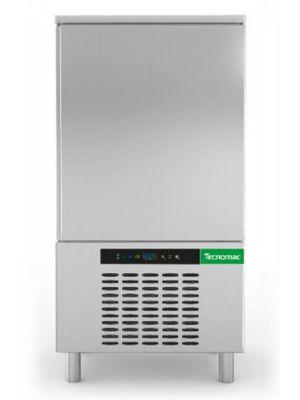
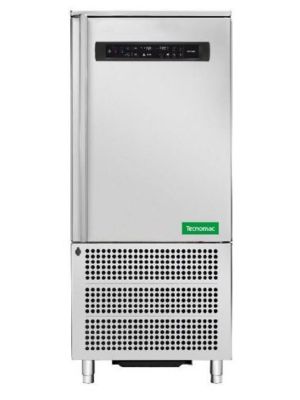
![]() Tecnomac BK1030 Black Kube 10 Tray Blast Chiller FreezerRRP $19,269.00 ex GST Our Price $15,309.00 ex GST Our Price $16,839.90 Inc GSTDaily Rental: $27.76 Inc GST
Tecnomac BK1030 Black Kube 10 Tray Blast Chiller FreezerRRP $19,269.00 ex GST Our Price $15,309.00 ex GST Our Price $16,839.90 Inc GSTDaily Rental: $27.76 Inc GST - 21% Off RRP
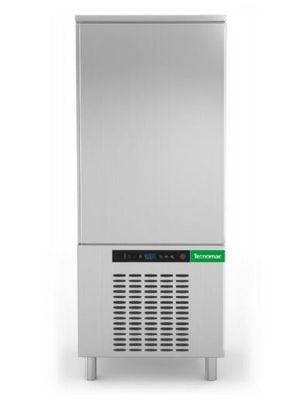
![]() Tecnomac BK1540 Black Kube 15 Tray Blast Chiller FreezerRRP $23,553.00 ex GST Our Price $18,713.00 ex GST Our Price $20,584.30 Inc GSTDaily Rental: $33.93 Inc GST
Tecnomac BK1540 Black Kube 15 Tray Blast Chiller FreezerRRP $23,553.00 ex GST Our Price $18,713.00 ex GST Our Price $20,584.30 Inc GSTDaily Rental: $33.93 Inc GST - 21% Off RRP
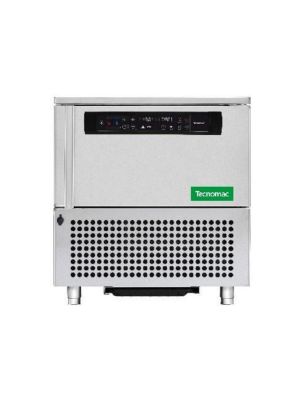
![]() Tecnomac BK516 Black Kube 5 Tray Blast Chiller FreezerRRP $12,054.00 ex GST Our Price $9,577.00 ex GST Our Price $10,534.70 Inc GSTDaily Rental: $17.36 Inc GST
Tecnomac BK516 Black Kube 5 Tray Blast Chiller FreezerRRP $12,054.00 ex GST Our Price $9,577.00 ex GST Our Price $10,534.70 Inc GSTDaily Rental: $17.36 Inc GST - 21% Off RRP
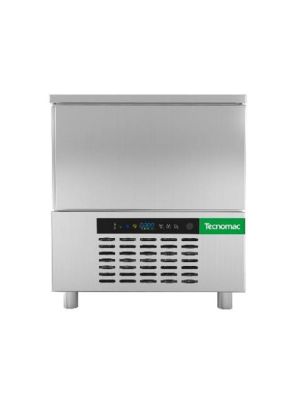
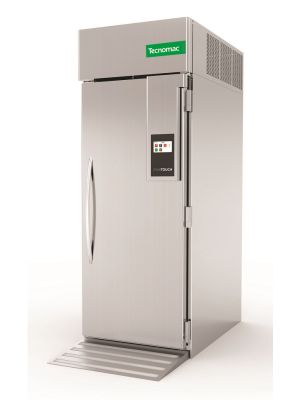
![]() Tecnomac CT2080 ChillTouch Blast Chiller Freezer 1 x TrolleyRRP $57,205.00 ex GST Our Price $45,449.00 ex GST Our Price $49,993.90 Inc GSTDaily Rental: $82.41 Inc GST
Tecnomac CT2080 ChillTouch Blast Chiller Freezer 1 x TrolleyRRP $57,205.00 ex GST Our Price $45,449.00 ex GST Our Price $49,993.90 Inc GSTDaily Rental: $82.41 Inc GST - 21% Off RRP
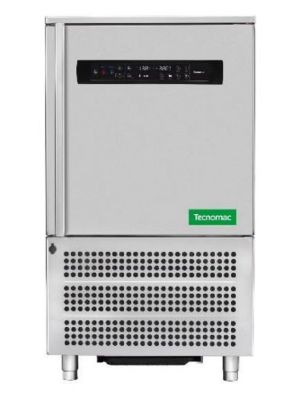
![]() Tecnomac V10.35 eVent Blast Chiller Freezer 10 Tray + USBRRP $25,388.00 ex GST Our Price $20,171.00 ex GST Our Price $22,188.10 Inc GSTDaily Rental: $36.57 Inc GST
Tecnomac V10.35 eVent Blast Chiller Freezer 10 Tray + USBRRP $25,388.00 ex GST Our Price $20,171.00 ex GST Our Price $22,188.10 Inc GSTDaily Rental: $36.57 Inc GST - 21% Off RRP
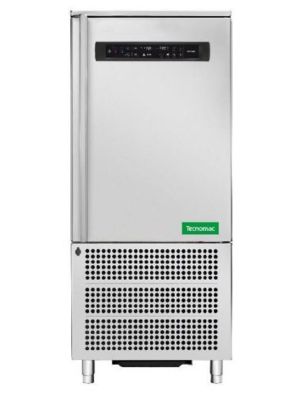
![]() Tecnomac V15.40 eVent Blast Chiller Freezer 15 Tray + USBRRP $30,871.00 ex GST Our Price $24,527.00 ex GST Our Price $26,979.70 Inc GSTDaily Rental: $44.47 Inc GST
Tecnomac V15.40 eVent Blast Chiller Freezer 15 Tray + USBRRP $30,871.00 ex GST Our Price $24,527.00 ex GST Our Price $26,979.70 Inc GSTDaily Rental: $44.47 Inc GST - 21% Off RRP
![]() Tecnomac V15.65 eVent Blast Chiller Freezer 15 Tray + USBRRP $34,971.00 ex GST Our Price $27,784.00 ex GST Our Price $30,562.40 Inc GSTDaily Rental: $50.38 Inc GST
Tecnomac V15.65 eVent Blast Chiller Freezer 15 Tray + USBRRP $34,971.00 ex GST Our Price $27,784.00 ex GST Our Price $30,562.40 Inc GSTDaily Rental: $50.38 Inc GST - 21% Off RRP
![]() Tecnomac V5.20 eVent Blast Chiller Freezer 5 Tray + USBRRP $18,104.00 ex GST Our Price $14,384.00 ex GST Our Price $15,822.40 Inc GSTDaily Rental: $26.08 Inc GST
Tecnomac V5.20 eVent Blast Chiller Freezer 5 Tray + USBRRP $18,104.00 ex GST Our Price $14,384.00 ex GST Our Price $15,822.40 Inc GSTDaily Rental: $26.08 Inc GST

Choosing a Blast Chiller or Blast Freezer
Why the two hour, four hour rule matters
Australian food safety requires cooked food to drop from 60°C to 21°C within two hours, and from 21°C down to 5°C within a further four. A standard commercial fridge can't do that with a full tray of hot food. It isn't designed to, and loading hot product into one raises the temperature of everything else in the cabinet. A blast chiller is the piece of equipment that makes cook-chill legal and auditable, which is why aged care, hospitals, schools, function venues and anyone producing ahead of service ends up needing one.
Chiller or freezer
A blast chiller takes cooked food to around 3°C at the core, typically inside 90 minutes, for storage and later regeneration. A blast freezer goes further, down to about minus 18°C at the core, and the speed is the point: fast freezing forms small ice crystals rather than large ones, so the cell structure of the product stays intact and it doesn't turn to mush on thawing. That difference matters most with meat, seafood, and anything with high water content. Most units on the market do both, so the practical question is whether you need freezing at all rather than which machine to buy.
Sizing by kilograms per cycle
Capacity is quoted as kilograms chilled per cycle, not by tray count or cabinet size, and that's the number to work from. A unit rated at 20kg won't chill 20kg of dense braise in the same time it chills 20kg of thin-portioned product, so build in headroom. Work from your largest single production batch rather than your daily total, and remember a blast chiller sitting half empty is doing nothing for you while a full one running twice through service is a bottleneck.
Core probes and record keeping
A core probe measures the temperature inside the product rather than the air around it, and it's what turns a chiller from a fast fridge into a compliance tool. Probe-driven cycles finish when the food actually reaches temperature instead of when a timer runs out. Units with data logging give you a printable or downloadable record of every cycle, which is what an auditor wants to see. If you're in aged care, health or contract catering, treat logging as a requirement rather than an upgrade.
Site requirements
Blast chillers work hard and reject a lot of heat, so they need airflow clearance and ideally shouldn't sit in an unventilated corner or beside a cooking line. Larger units want three phase. Roll-in models need floor clearance and a matching trolley, and it's worth checking the trolley takes the same tray size as your combi oven, because cook-chill only works properly if the same rack goes from oven to chiller without anyone unloading it.
Brands and support
We stock Friginox blast chillers, Irinox and Williams, all built for continuous commercial use with probe control and cycle logging. Everything is available on SilverChef Rent-Try-Buy, and our in-house refrigeration mechanics handle installation, commissioning and ongoing servicing.