
Glass Washers
- 24% Off RRP
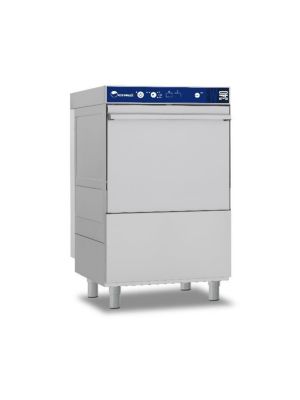
![]() Eurowash EW340E Undercounter Glasswasher 15 amp 2 Years Parts & Labour WarrantyRRP $3,600.00 ex GST Our Price $2,750.00 ex GST Our Price $3,025.00 Inc GST
Eurowash EW340E Undercounter Glasswasher 15 amp 2 Years Parts & Labour WarrantyRRP $3,600.00 ex GST Our Price $2,750.00 ex GST Our Price $3,025.00 Inc GST Daily Rental: $4.99 Inc GST
 - 44% Off RRP
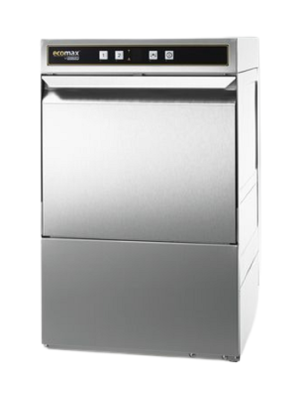
![]() Hobart Ecomax G404 Glasswasher Made in Germany. 2 Years Of *WarrantyRRP $5,930.00 ex GST Our Price $3,336.00 ex GST Our Price $3,669.60 Inc GSTDaily Rental: $6.05 Inc GST
Hobart Ecomax G404 Glasswasher Made in Germany. 2 Years Of *WarrantyRRP $5,930.00 ex GST Our Price $3,336.00 ex GST Our Price $3,669.60 Inc GSTDaily Rental: $6.05 Inc GST - 44% Off RRP
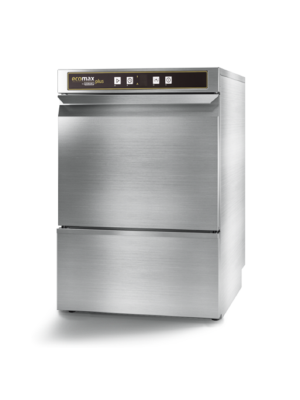
![]() Hobart Ecomax Plus G415 Glasswasher Made in Germany. 2 Years Of *WarrantyRRP $8,910.00 ex GST Our Price $5,012.00 ex GST Our Price $5,513.20 Inc GSTDaily Rental: $9.09 Inc GST
Hobart Ecomax Plus G415 Glasswasher Made in Germany. 2 Years Of *WarrantyRRP $8,910.00 ex GST Our Price $5,012.00 ex GST Our Price $5,513.20 Inc GSTDaily Rental: $9.09 Inc GST - 44% Off RRP
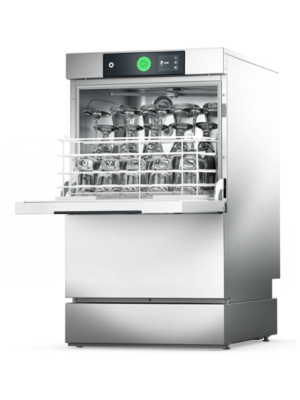
![]() Hobart Profi GC Compact Glasswasher Made in Germany. 2 Years Of *WarrantyRRP $11,390.00 ex GST Our Price $6,407.00 ex GST Our Price $7,047.70 Inc GSTDaily Rental: $11.62 Inc GST
Hobart Profi GC Compact Glasswasher Made in Germany. 2 Years Of *WarrantyRRP $11,390.00 ex GST Our Price $6,407.00 ex GST Our Price $7,047.70 Inc GSTDaily Rental: $11.62 Inc GST - 44% Off RRP
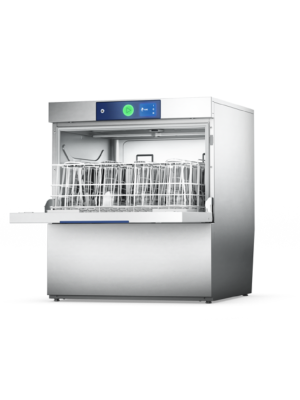
![]() Hobart Profi GXC-90B Undercounter Glasswasher 500x500 Rack- Made in Germany. 2 Years Of *WarrantyRRP $15,430.00 ex GST Our Price $8,679.00 ex GST Our Price $9,546.90 Inc GSTDaily Rental: $15.74 Inc GST
Hobart Profi GXC-90B Undercounter Glasswasher 500x500 Rack- Made in Germany. 2 Years Of *WarrantyRRP $15,430.00 ex GST Our Price $8,679.00 ex GST Our Price $9,546.90 Inc GSTDaily Rental: $15.74 Inc GST - 36% Off RRP
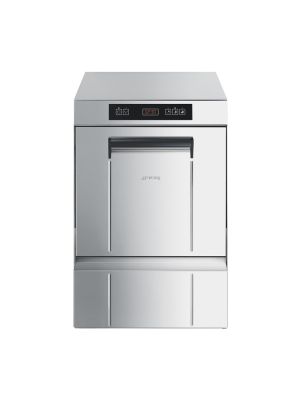
![]() Smeg SPG405MAU Ecoline Underbench Glasswasher 400x400 basket 2 Years Parts & labour WarrantyRRP $4,299.00 ex GST Our Price $2,731.00 ex GST Our Price $3,004.10 Inc GSTDaily Rental: $4.95 Inc GST
Smeg SPG405MAU Ecoline Underbench Glasswasher 400x400 basket 2 Years Parts & labour WarrantyRRP $4,299.00 ex GST Our Price $2,731.00 ex GST Our Price $3,004.10 Inc GSTDaily Rental: $4.95 Inc GST - 26% Off RRP
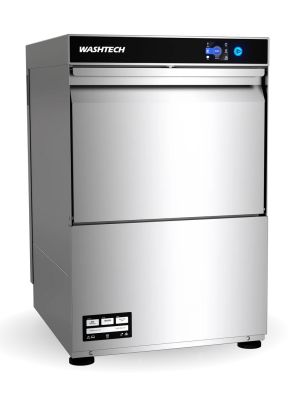
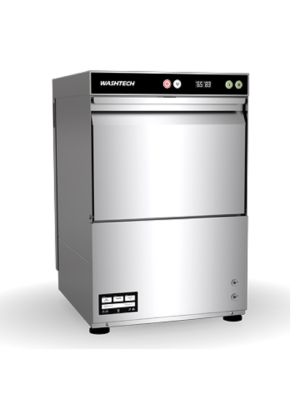
![]() Washtech GM - Professional Compact Undercounter Glasswasher / Dishwasher - 450mm Rack. 5-2-2 *WarrantyRRP $6,396.00 ex GST Our Price $4,719.00 ex GST Our Price $5,190.90 Inc GSTDaily Rental: $8.56 Inc GST
Washtech GM - Professional Compact Undercounter Glasswasher / Dishwasher - 450mm Rack. 5-2-2 *WarrantyRRP $6,396.00 ex GST Our Price $4,719.00 ex GST Our Price $5,190.90 Inc GSTDaily Rental: $8.56 Inc GST - 26% Off RRP
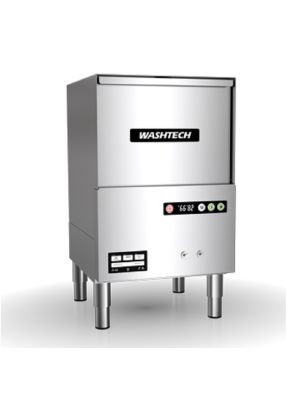
![]() Washtech XG Economy Recirculating Glasswasher. 5-2-2 *WarrantyRRP $4,408.00 ex GST Our Price $3,252.00 ex GST Our Price $3,577.20 Inc GSTDaily Rental: $5.90 Inc GST
Washtech XG Economy Recirculating Glasswasher. 5-2-2 *WarrantyRRP $4,408.00 ex GST Our Price $3,252.00 ex GST Our Price $3,577.20 Inc GSTDaily Rental: $5.90 Inc GST - 26% Off RRP
![]() Washtech XV Economy Undercounter Dishwasher & Glasswasher. 5-2-2 *WarrantyRRP $6,017.00 ex GST Our Price $4,439.00 ex GST Our Price $4,882.90 Inc GSTDaily Rental: $8.05 Inc GST
Washtech XV Economy Undercounter Dishwasher & Glasswasher. 5-2-2 *WarrantyRRP $6,017.00 ex GST Our Price $4,439.00 ex GST Our Price $4,882.90 Inc GSTDaily Rental: $8.05 Inc GST

Choosing a Commercial Glasswasher
Why a glasswasher isn't a small dishwasher
The temptation is to put glassware through the dish machine and save the bench space, and it's a false economy. A commercial dishwasher runs hotter and harder because it's shifting baked-on food, and glass doesn't like it. Rapid temperature swings cause thermal shock and micro-fractures, and the harsher detergent etches the surface. Once glass is etched it's permanent, and etched glass kills head retention on beer because the surface is no longer smooth. If you're a venue where the beer needs to look right in the glass, that's a revenue problem, not a cosmetic one.
Cloudy glasses and what actually causes it
Cloudiness comes from two different things and the fix is different for each. Mineral deposit from hard water leaves a film that will come off with an acid soak or a descale, and it's solved permanently with water treatment on the feed line. Etching from harsh detergent or excessive heat is physical damage to the glass and no amount of rewashing brings it back. Worth working out which one you've got before you spend money on the wrong solution. If a soak in a descaler clears it, it's mineral. If it doesn't, the glass is done.
Water treatment is not optional
This is the single biggest factor in whether a glasswasher performs, and it's the one people skip. Hard water leaves spots and film on every glass, forces staff to hand polish, and scales up the boiler until wash performance drops off. In much of regional and outer metro Australia the supply is hard enough that a softener or reverse osmosis unit pays for itself in labour alone. It's also usually a warranty condition on the boiler, so it's worth checking your supply hardness before you buy rather than after.
Rack size and cycle times
Most commercial glasswashers take a 350mm, 400mm or 500mm rack, and rack size determines both how many glasses per cycle and whether tall stemware fits under the wash arm. Check the maximum glass height, since a machine that handles pint glasses fine may not take a wine glass upright. Cycle times run from around 90 seconds to three minutes depending on the setting, so a two minute cycle on a 400mm rack gives you roughly 30 racks an hour. Work from your Friday night, not your Tuesday.
Undercounter or bench top
Undercounter units are the standard behind a bar, sitting under the back counter within reach of the glass wash sink. Bench top models suit small venues, cafes and function bars where there's no plumbing under the counter. Either way, position it where glasses come off the floor rather than where the plumbing happens to be, because a machine at the wrong end of the bar means staff walking with trays of dirty glassware through service.
Detergent, rinse aid and drying
Dosing matters more on glass than on plates. Under-dose the rinse aid and water sheets unevenly, leaving spots that staff then hand polish. Over-dose it and you get film. Most machines have adjustable dosing pumps and it's worth having them set properly at commissioning rather than left on factory default. A correctly set machine should give you glasses that air dry clear with no polishing at all, and if your staff are still polishing, something is wrong with the water, the dosing or both.
Brands and support
We stock Hobart glasswashers, Washtech and Smeg, with water treatment and dosing equipment available to suit your supply. For plates, pots and cutlery see our undercounter dishwashers and pass through machines. Everything is available on SilverChef Rent-Try-Buy, and our licensed technicians handle installation, commissioning and servicing.